Kurogane Combat Guide
Spacing, HP control, aura pressure, and campus fight craft for school battlegrounds.
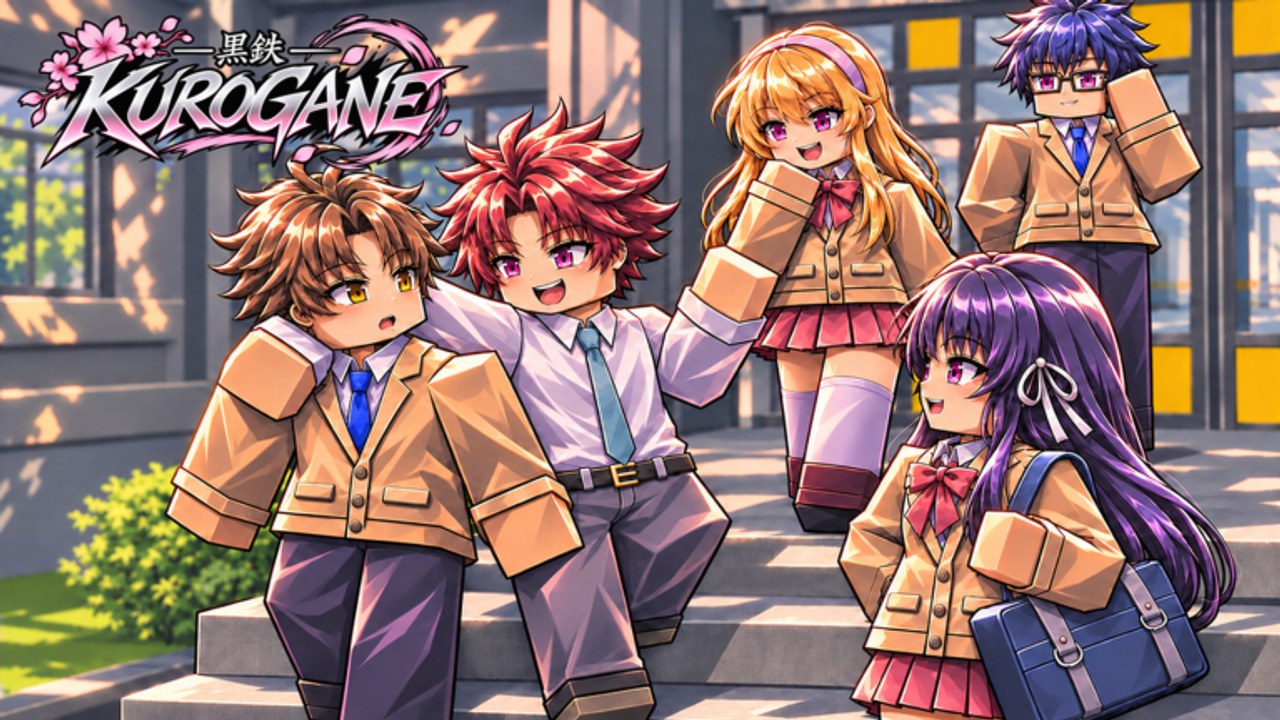
Combat in Kurogane is campus-scale battlegrounds layered on a social school map. You fight students and other players in courtyards, halls, rooftops, and open yards, then drift back into hangouts between rounds. This guide focuses on practical fight craft: spacing, HP management, aura pressure, location tips, and surviving teamers. Pair it with Getting Started if you are new, and Controls if your inputs still fight you more than the opponent.
The campus fight mindset
Treat every duel as a short match with an exit plan. Kurogane servers mix duelists, social groups, and opportunistic third parties. Winning one exchange means little if you cannot leave when two friends arrive. Before you engage, ask three questions: Do I have space to retreat? Can I see side angles? Am I fighting for practice, pride, or a clip?
Practice fights should be deliberate. Pick opponents of similar aggression, reset after rounds, and review what broke your spacing. Pride fights against stacked groups teach you how to die quickly, not how to improve. Social fights that turn serious need the same discipline: the moment it becomes a swarm, leave.
Spacing wins more than panic buttons
Spacing is the skill of controlling distance so your attacks connect on your terms while theirs whiff or arrive late. On open courtyard ground, strafe in arcs instead of sprinting in straight lines. Straight lines are easy to track and easy to collapse on when a second player joins. On console and mobile, slightly wider turns help because camera authority differs from mouse aim; see Controls for platform habits.
Use depth, not just left-right movement. Step in to punish a whiff, then out before a counter string starts. If you only know how to chase, anyone with patience will bait you into a corner or a doorway where teammates can cut the exit. Doorways and narrow halls are high-risk: great for ambushes, terrible for fair learning.
HP management and round discipline
Watch your health like a resource, not a surprise. When you are healthy, you can take space and force reads. When you are low, your job changes from winning the highlight to surviving the reset. Disengage early if the opponent’s friends are circling. A live player who learned the matchup is more valuable than a heroic KO attempt that feeds a trio.
Between fights, stop moving in contested zones while low. Rotate to a quieter edge, recover, and re-enter with intention. Chaining low-HP requeues into the same courtyard is how losing streaks become lobby entertainment. If you need a mental reset, spend two minutes in a social pocket instead of another tilted rematch.
Aura pressure and style presence
Auras and styles are not only cosmetics. In Kurogane they create presence: people notice you, challenge you, or avoid you based on how loud your look is. Strong aura pressure can win neutral before a hit lands because nervous players overcommit or refuse to approach. That cuts both ways. If you look like a threat, expect more challenges and more team attention.
Use aura pressure strategically. In social areas, a flashy look helps you find duel partners. In contested PvP lanes, the same look can paint a target on you. If you are still learning fundamentals, a quieter appearance can reduce random swarm energy while you practice. When you are ready to climb the fashion-fight ladder, plan rolls with Rerolls and Auras and compare community value on the Tier List Hub.
Shinobi Style and similar updates change what people respect. After a style patch, re-check Updates and adjust whether you want to look loud or play quiet for a week.
Courtyard tips
Courtyards are the default arena. They offer space, spectators, and constant third-party risk. Hold the middle only when you are healthy and scanning. Prefer fighting near an edge with two exits. If a crowd forms a ring, assume someone will jump in at low HP. Call your own rules out loud if you want clean 1v1s, and leave if the ring ignores that.
When multiple pairs are fighting nearby, do not tunnel on your opponent so hard that you miss a free hit coming from the side. Peripheral awareness is a combat skill in Kurogane because the map never isolates you unless you walk away.
Rooftop tips
Rooftops reward players who understand height, landing lag, and edge risk. Forcing someone near a fall can end a fight without a full combo, but the same edge can delete you if you overextend. Do not jump spam just because the roof looks cool. Every jump is a moment where your movement becomes predictable.
Use rooftops to reset from courtyard swarms, then decide whether to re-engage or rotate. If two players follow you up, you are probably not getting a fair duel. Drop to a side path and leave. Rooftops are also social flex spots; if you are only there to show an aura, keep an escape route in mind when someone decides your flex is an invite.
Teamers and unfair collapses
Teaming is part of public campus life whether you like it or not. Your best tools are early recognition, angled retreats, and refusal to ego a 1v2. The first sign is usually positioning: a spectator who mirrors your strafe, a friend who suddenly stops chatting, or a third body cutting the only exit. When you see it, leave while you still have HP.
If you want cleaner play, duel in slightly off-peak pockets, ask for 1v1s, and build a small friend group from the Players Hub mindset: people who will respect turns. You can also improve faster by reviewing losses instead of chasing revenge against the whole friend stack.
Counter-teaming is a choice, not a requirement. Some players love chaotic group brawls. If that is your fun, lean into it with communication and focus fire. If your goal is mechanical improvement, protect your practice time.
Building a personal fight routine
A strong session routine looks like this:
- Redeem anything new on Codes so currency anxiety is gone.
- Warm up with movement and camera checks from Controls.
- Take three intentional 1v1s with resets between them.
- Review whether spacing, HP exits, or awareness failed.
- Either socialize or continue fights based on energy, not tilt.
- If you won currency or want a new look, consult Starter Loadout before spending.
Common combat mistakes
- Sprinting in straight lines across open yards.
- Ignoring side angles while finishing a low opponent.
- Spending all attention on aura flex instead of exits.
- Rematching the same unfair stack repeatedly.
- Fighting in doorways while learning fundamentals.
- Jumping on rooftops with no plan for landing or edge control.
Next pages after combat
When fights feel readable, deepen customization with Rerolls and Auras, refine priorities on Starter Loadout, and track style shifts on Updates. Return to the Guides Hub whenever you need the full tutorial map. Kurogane combat rewards calm spacing and smart exits as much as flashy finishes. Master the campus, then style on it.
Frequently Asked Questions
Quick answers for Kurogane players.
How do I deal with teamers in Kurogane?
Spot mirrored positioning early, retreat while you still have HP, and save pride rematches for fair 1v1s or trusted groups.
Do auras actually help in fights?
Auras create presence and pressure. They can bait challenges or intimidate, but they also attract attention, so use loud looks on purpose.
Where should beginners practice?
Open courtyard edges with two exits are better classrooms than doorways, packed mid fights, or rooftop edges with no escape.
What should I read after this combat guide?
Open Rerolls and Auras for customization planning, Controls if inputs feel off, and Starter Loadout for early priorities.